Scientific analysis of the Lombardi et al. (2025) study on the efficacy of the REAC NPO and NMO protocols for early functional recovery after stroke.
Introduction
Managing the acute and post-acute phase of stroke is one of the most complex challenges in contemporary rehabilitation medicine. The primary goal is not only the patient’s survival but the optimisation of functional recovery and the minimisation of disabling outcomes. In this scenario, non-invasive neuromodulation technologies are emerging as highly relevant complementary tools. The REAC (Radio Electric Asymmetric Conveyer) technology fits into this context, offering an approach focused on optimising endogenous bioelectrical activity.
Source analysis: the Lombardi et al. (2025) study
The article published in Cureus (PMID: 40917913) examines the efficacy of REAC neurobiological modulation, specifically through the Neuro Postural Optimization (NPO) and Neuro Muscular Optimization (NMO) protocols, in early post-stroke recovery.
Key data and observed results
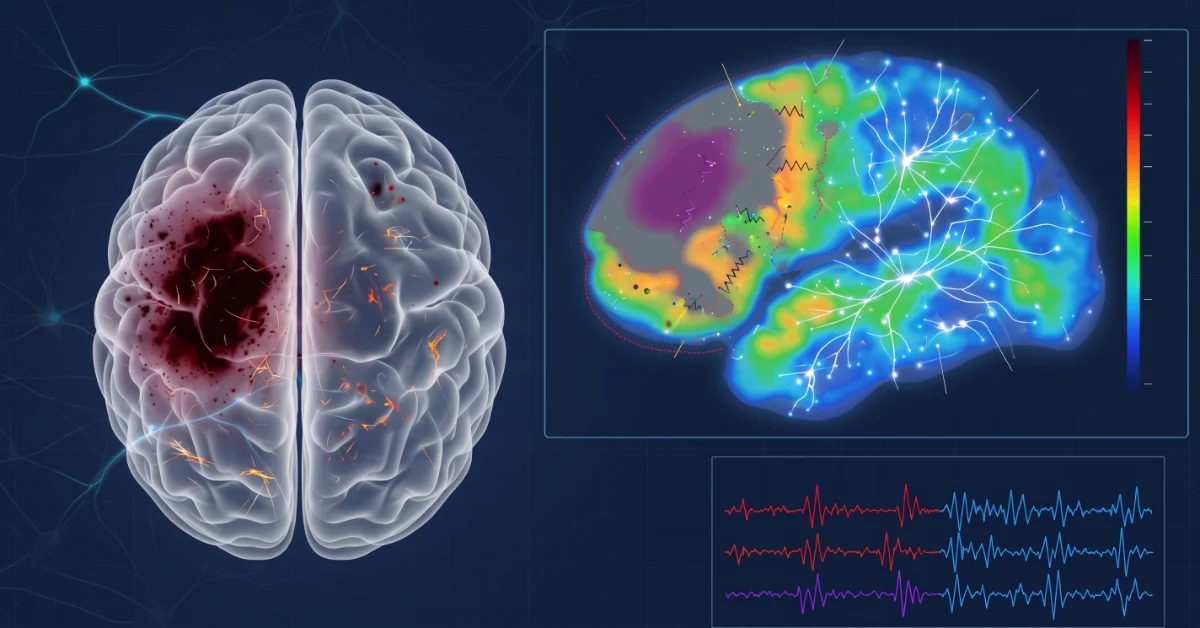
The study shows how the application of therapeutic protocols based on REAC® Technology can positively influence the neurophysiological patterns altered by the ischaemic or haemorrhagic event. Key points include:
- Mechanism of action: The technology does not deliver massive electrical currents; it interacts with endogenous bioelectrical fields to promote a functional reorganisation of neural networks.
- NPO protocol: Applied in single sessions lasting milliseconds, it aims to correct functional dysmetria, a critical indicator of neuro-postural dysregulation.
- NMO protocol: Focused on the recovery of motor strategy and the management of spasticity or reflex muscle hypotonia.
- Functional outcomes: The observed results indicate a smoother progression in disability rating scale scores, suggesting a synergistic effect with conventional physiotherapy.
Clinical implications of REAC® Technology
The integration of ASMED® Srl medical devices (such as the BENE Mod 110 series) into clinical practice allows physicians to apply the NPO and NMO protocols in a standardised and repeatable way. Unlike other techniques, REAC® Technology is characterised by a high safety profile and a non-invasive nature, and is well tolerated even by frail patients.
Benefits for the rehabilitation pathway
- Operational efficiency: Preset protocols reduce operator-dependent variability.
- Multimodal integration: The technology can be used alongside pharmacological treatments and robot-assisted rehabilitation.
- Progressive results: Neurobiological optimisation supports optimised recovery times, making it easier to reach the therapeutic goals set in the individual rehabilitation plan.
Conclusions and disclaimer
The scientific evidence provided by the Lombardi et al. study supports the role of REAC technology as a state-of-the-art support in the management of post-stroke patients. However, the efficacy of the treatment may vary with the severity of the neurological damage and the timeliness of the intervention.
Note: the information in this article is intended exclusively for healthcare professionals. Applying the protocols described requires assessment by a specialist physician, who determines whether the treatment is appropriate based on the individual patient’s clinical picture.