Introduction
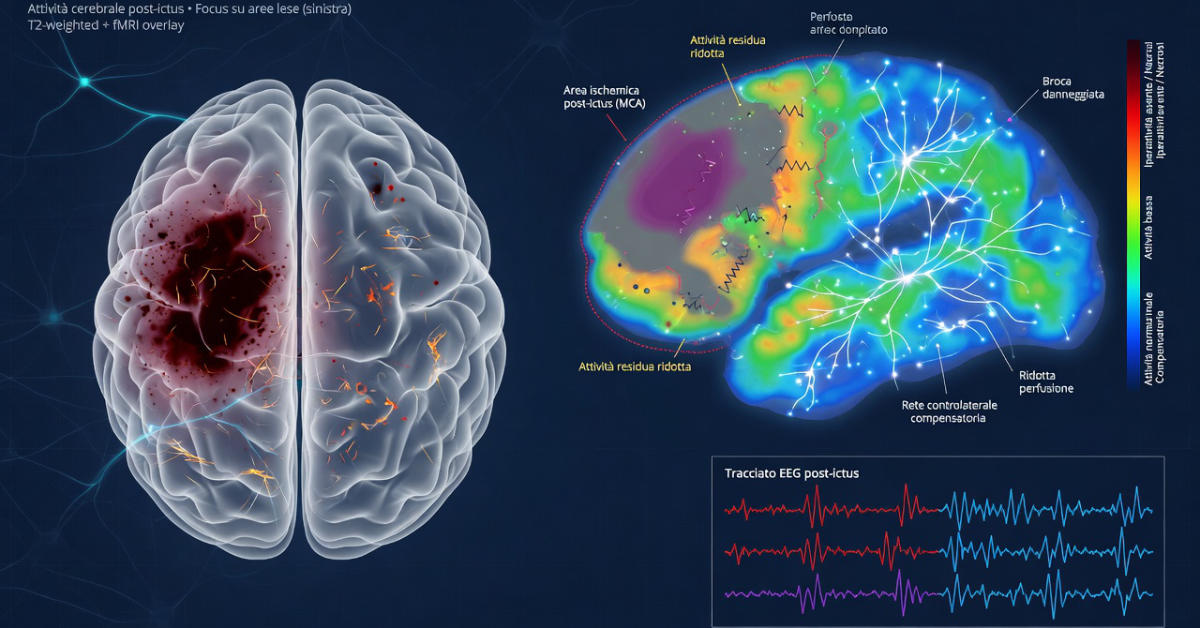
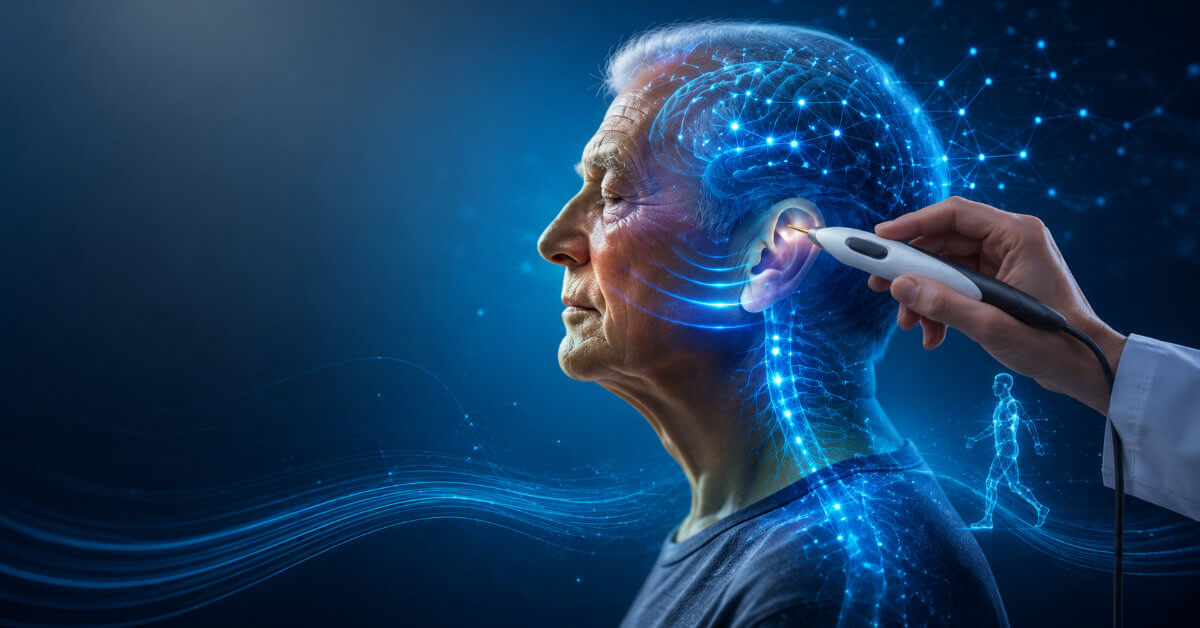
Managing the acute and post-acute phase of brain stroke is one of the most complex challenges of contemporary rehabilitation medicine. The primary objective is not only the survival of the patient, but the optimisation of the functional recovery and minimisation of disabling outcomes. In this scenario, non-invasive neuromodulation technologies are emerging as highly relevant integrative tools. Technology REAC (Radio Electric Asymmetric Conveyer) It fits into this context by offering an approach focused on optimising endogenous bioelectric activity.
Source Analysis: Lo Studio Lombardi et al. (2025)
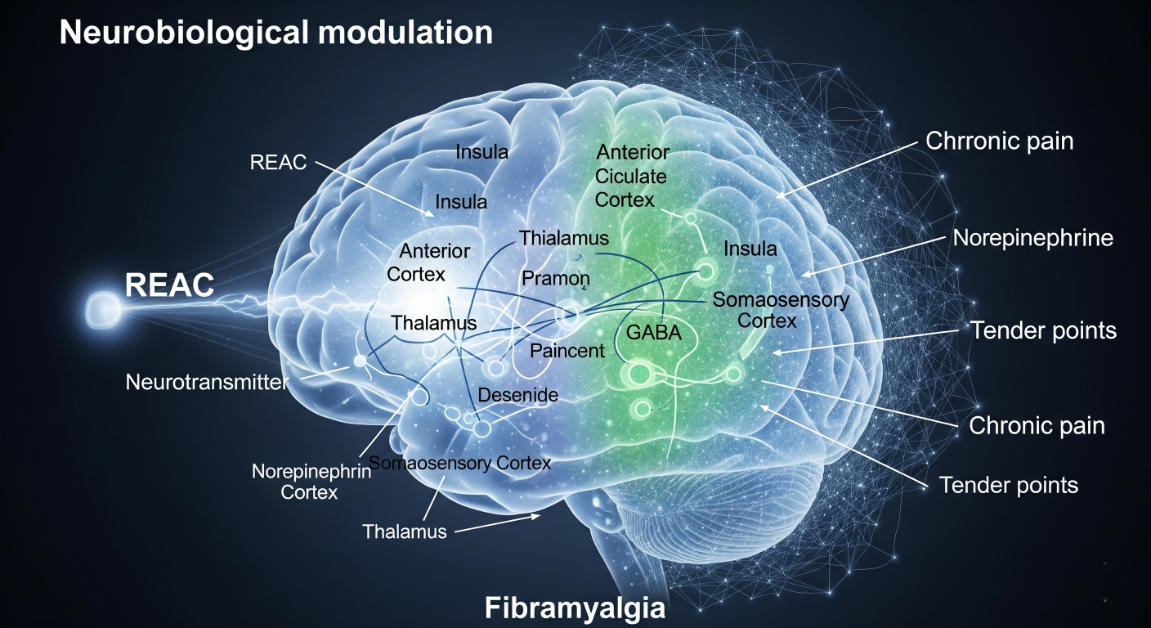
The article published on Cureus (PMID: 40917913) examines the effectiveness of REAC neurobiological modulation, specifically through the protocols of Neuro Postural Optimization (NPO) e Neuromuscular Optimization (NMO), in early post-stroke recovery.
Key Data and Observed Results
The study shows that the application of therapeutic protocols based on REAC® technology can positively influence neurophysiological patterns altered by the ischemic or hemorrhagic event. Highlights include:
- Mechanism of action: The technology does not administer massive electric currents, but interacts with endogenous bioelectric fields to facilitate a functional reorganization of neural networks.
- NPO Protocol: Administered in single millisecond sessions, it aims to correct functional dysmetry, a critical indicator of neuro-postural dysregulation.
- NMO Protocol: Focused on recovery of motor strategy and management of spasticity or reflex muscle hypotonia.
- Functional Outcomes: The observed results indicate a more fluid progression in disability assessment scale scores, suggesting a synergistic effect with conventional physiotherapy.
Clinical Implications of REAC® Technology
Integration of medical devices ASMED® Srl (such as the BENE Mod 110 series) in clinical practice allows the physician to implement the NPO and NMO protocols in a standardized and repeatable manner. Unlike other techniques, the REAC® Technology It is characterized by an high safety profile and from a nature non-invasive, resulting well tolerated Patients in fragile conditions as well.
Benefits for the Rehabilitation Path
- Operational efficiency: Pre-set protocols reduce operator-dependent variability.
- Multimodal integration: The technology can be used in conjunction with pharmacological treatments and robotic rehabilitation.
- Progressive results: Neurobiological optimisation favours optimised recovery times, making it easier to achieve the therapeutic objectives set out in the individual rehabilitation plan (PRI).
Conclusions and Disclaimer
The scientific evidence provided by the Lombardi et al. study supports the role of REAC technology as a support state-of-the-art in the management of the post-stroke patient. However, the effectiveness of treatment may vary depending on the severity of the neurological damage and the timeliness of the intervention.
Note: The information in this article is intended for healthcare professionals only. For the application of the described protocols, the assessment of a specialist doctor is necessary to determine the appropriateness of the treatment based on the clinical picture of the individual patient.

 EN
EN  IT
IT  PT
PT  DE
DE  ES
ES  FR
FR